




Knowledge centre
Understand how show equipment works, what to compare and how to prepare your project.
Explore all guides
What would you like to understand?
24 guides · 11 topics · HR / EN
Choose a topic
24 guides
How to choose a stage
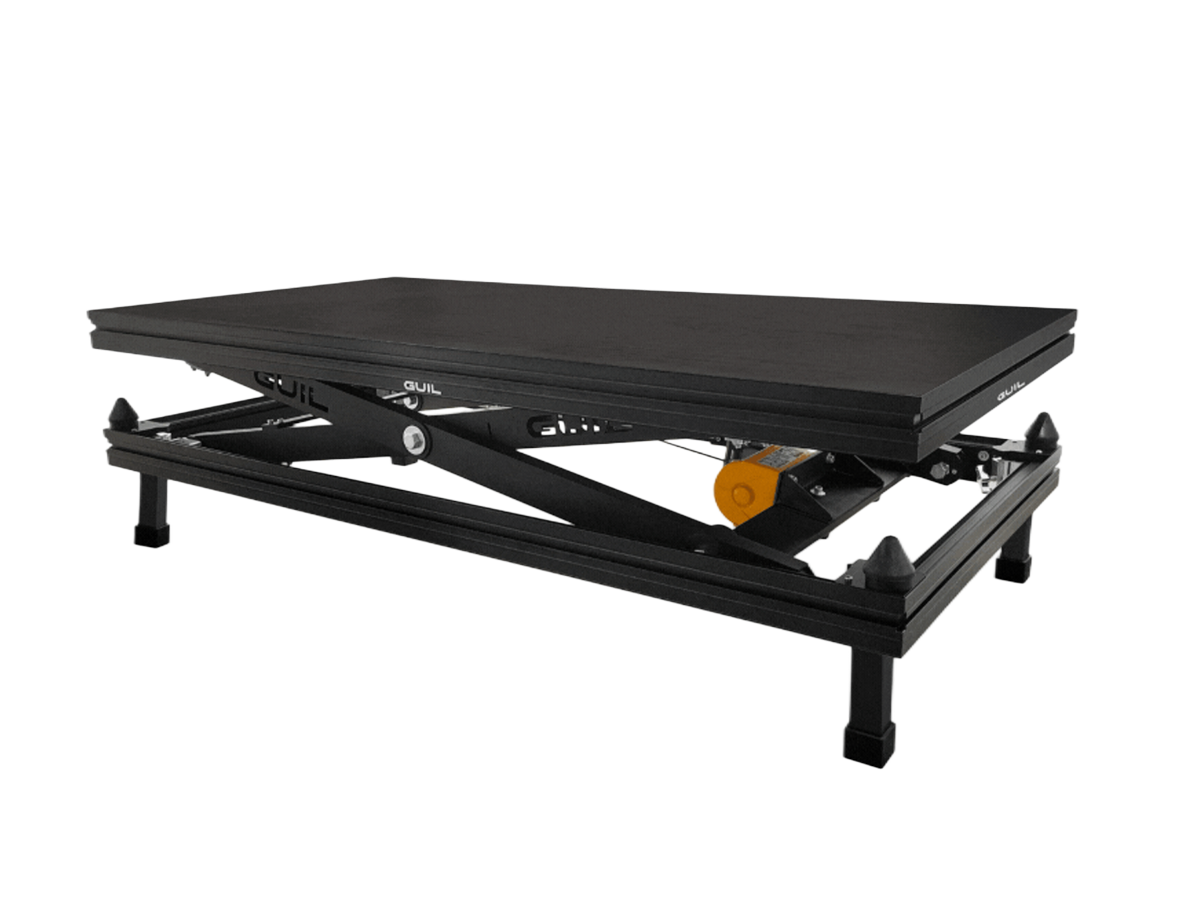
Stage decksFrom your first floor plan to a system that fits the venue and performance.
EssentialsWhat kg/m² actually means
Stage decksUnderstand the difference between a distributed load and a heavy object at one point.
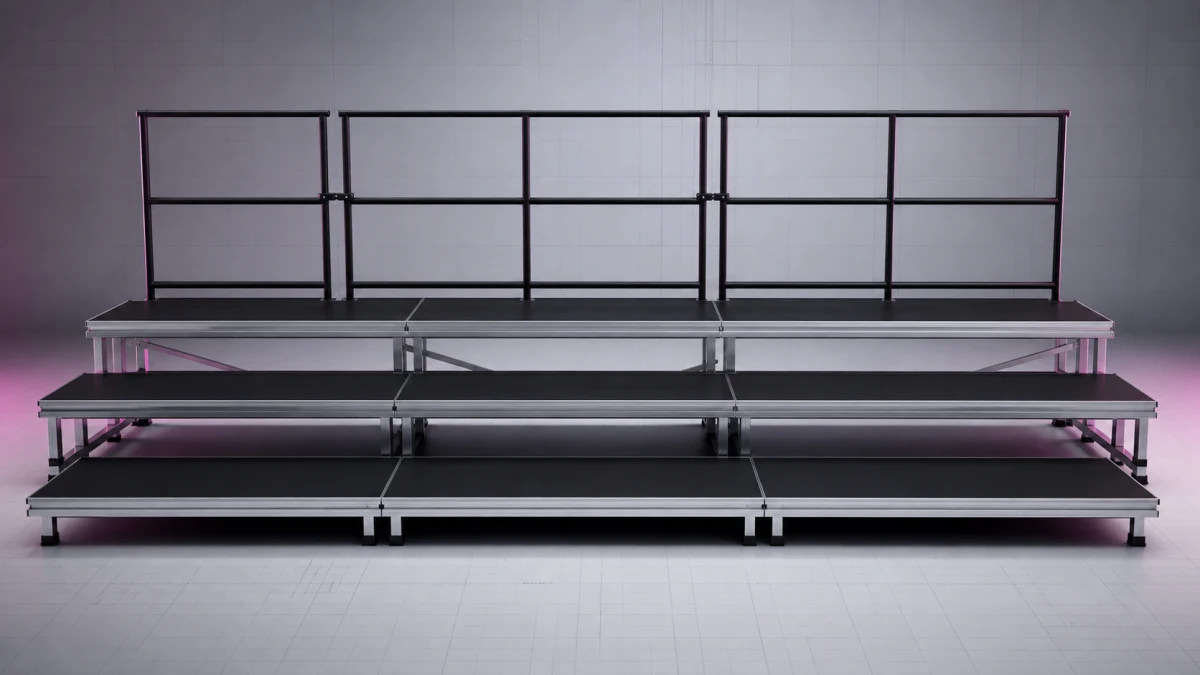
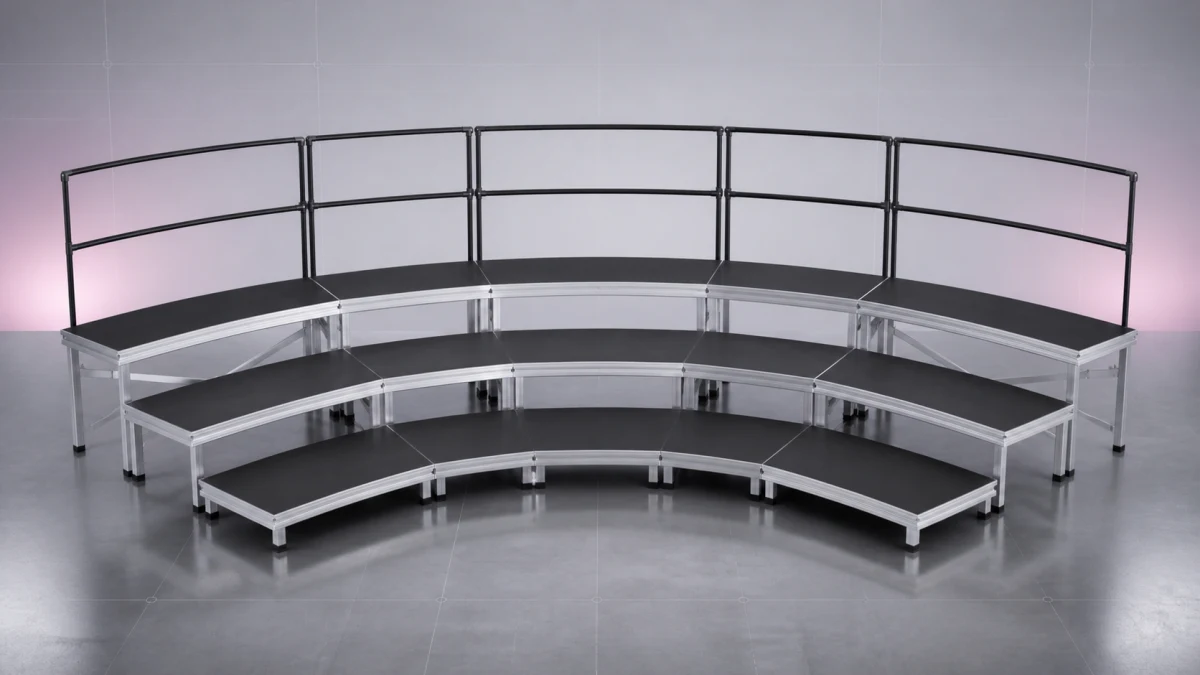
A closer lookStraight or curved choir risers
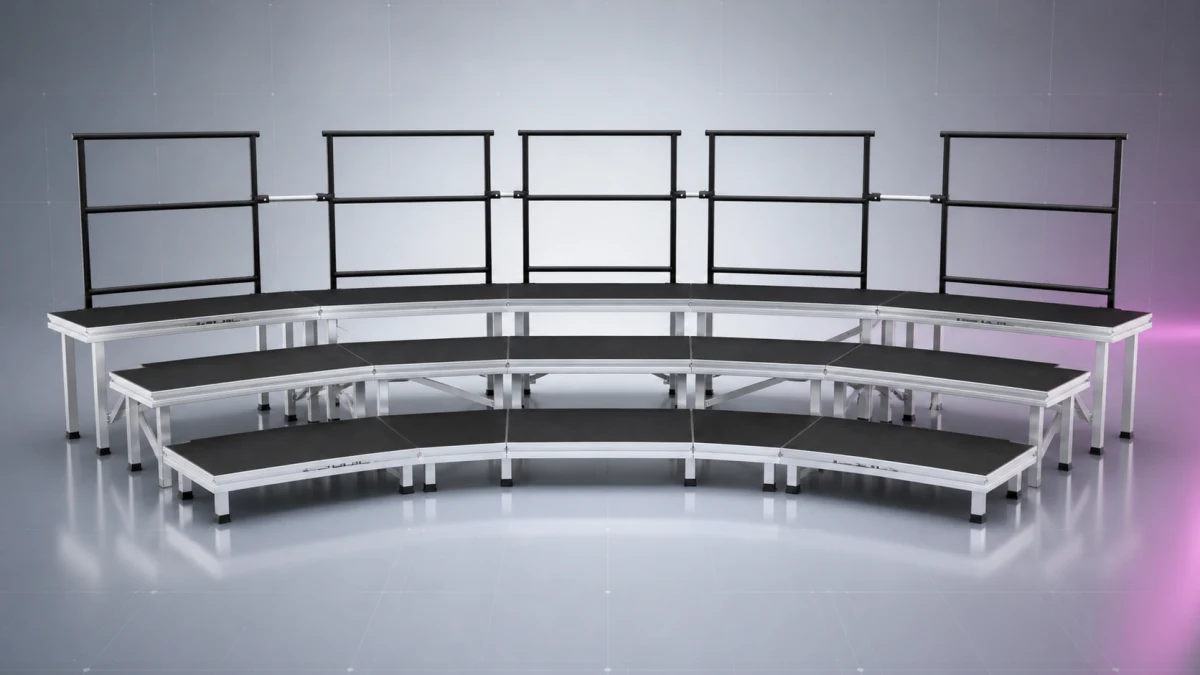
Choir & orchestraA layout starts with sightlines to the conductor and ends with usable access.
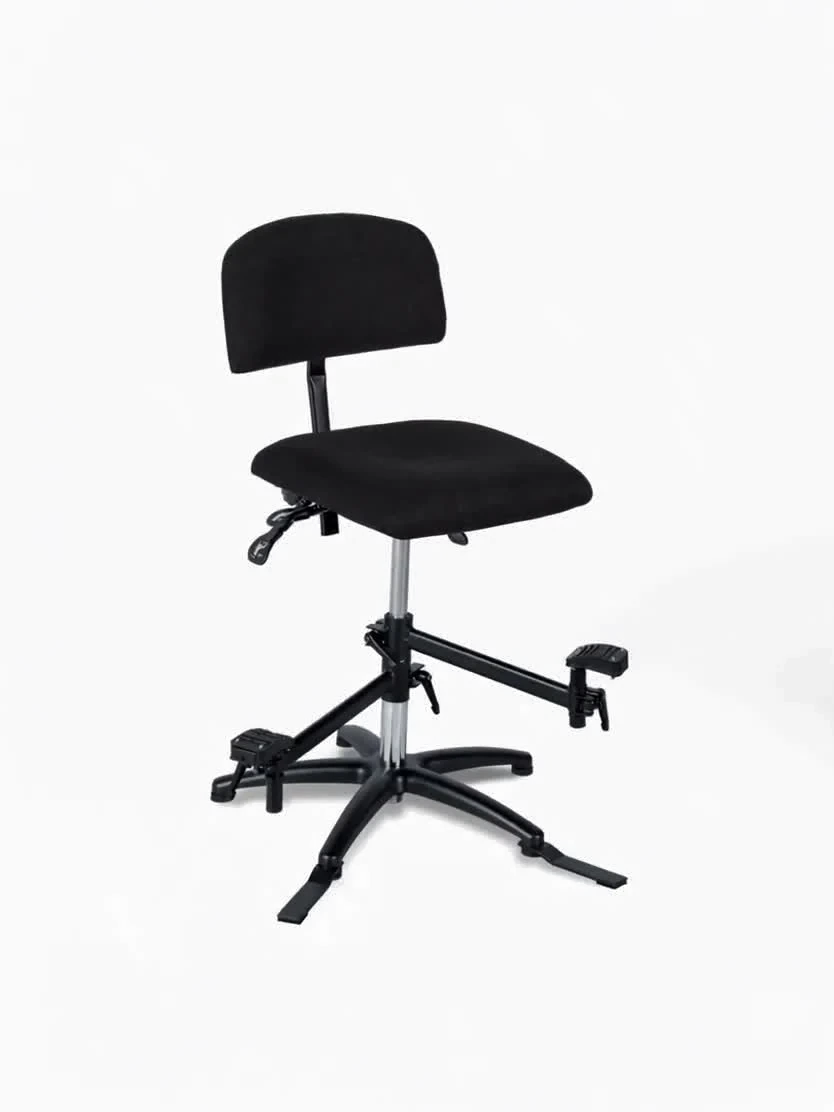
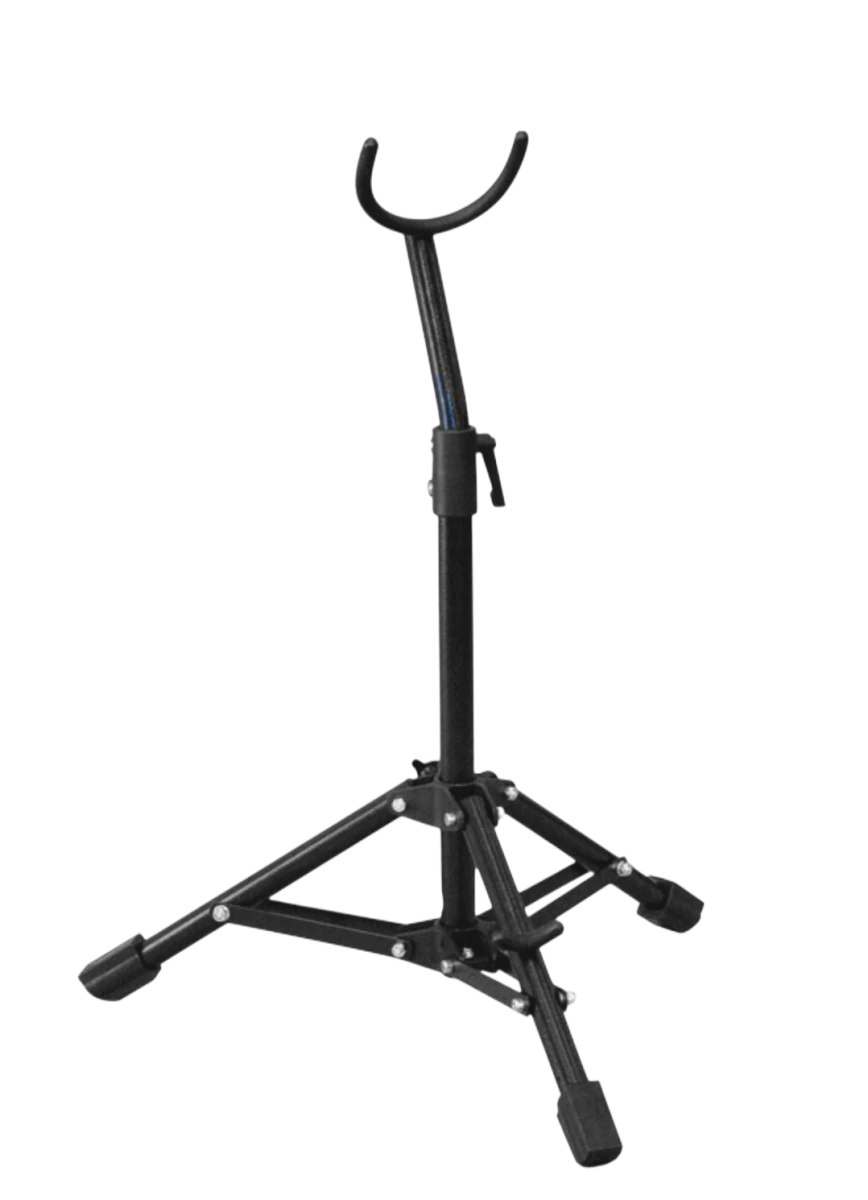
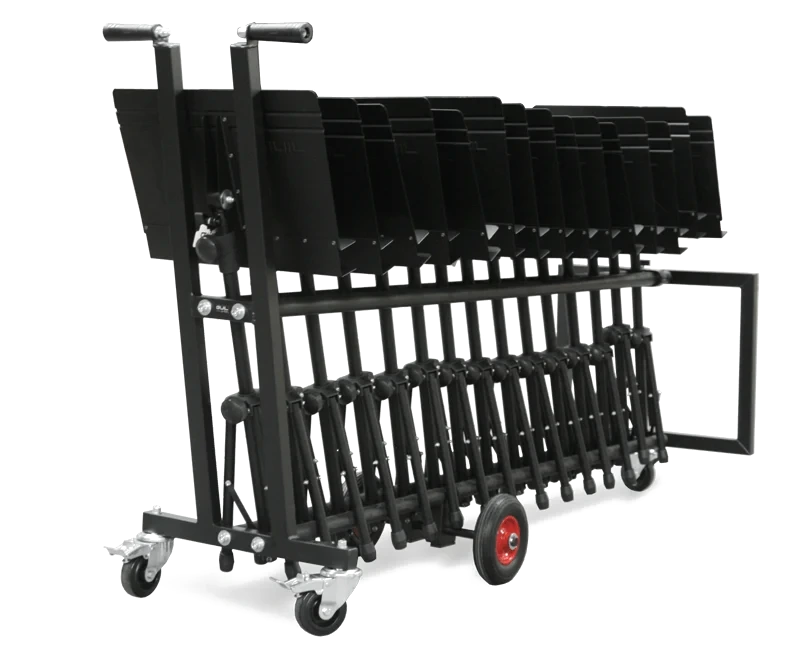
EssentialsOrchestra: chairs, stands and conductor
Choir & orchestraA useful layout leaves room for playing, reading music and moving.
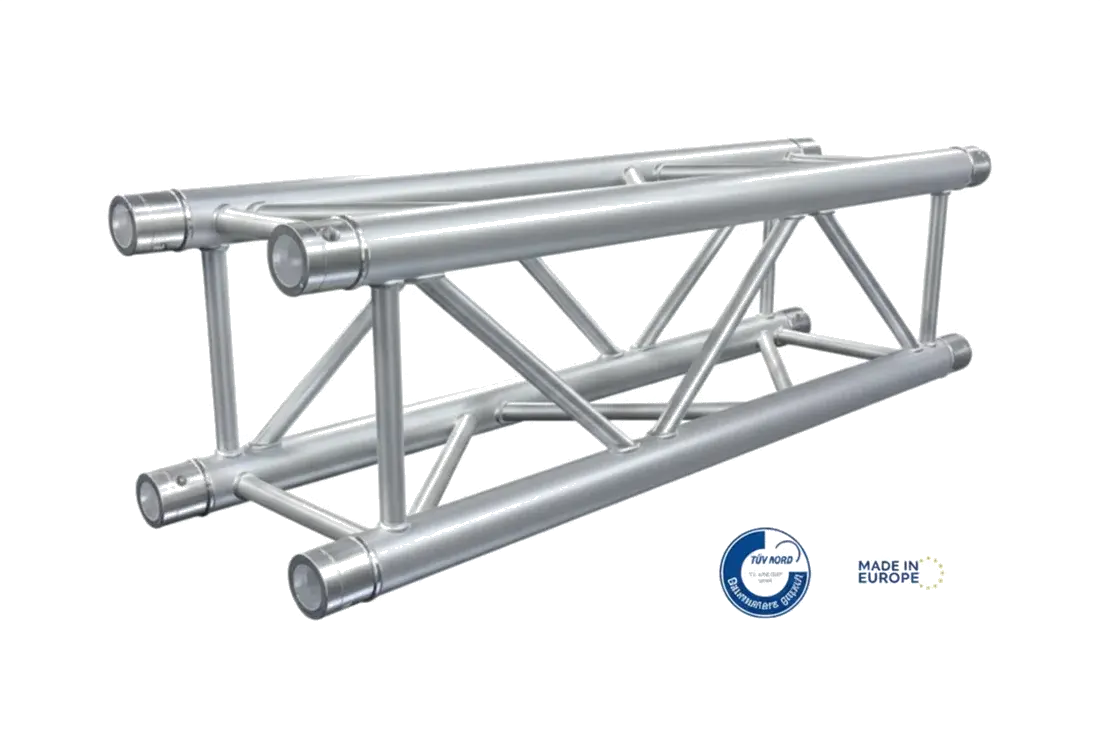
EssentialsTruss: span, supports and loads
Truss & riggingA single capacity figure cannot describe an entire structure.
A closer lookD8, D8+ and C1 explained
Truss & riggingA hoist class describes capabilities; assessment covers the complete system.
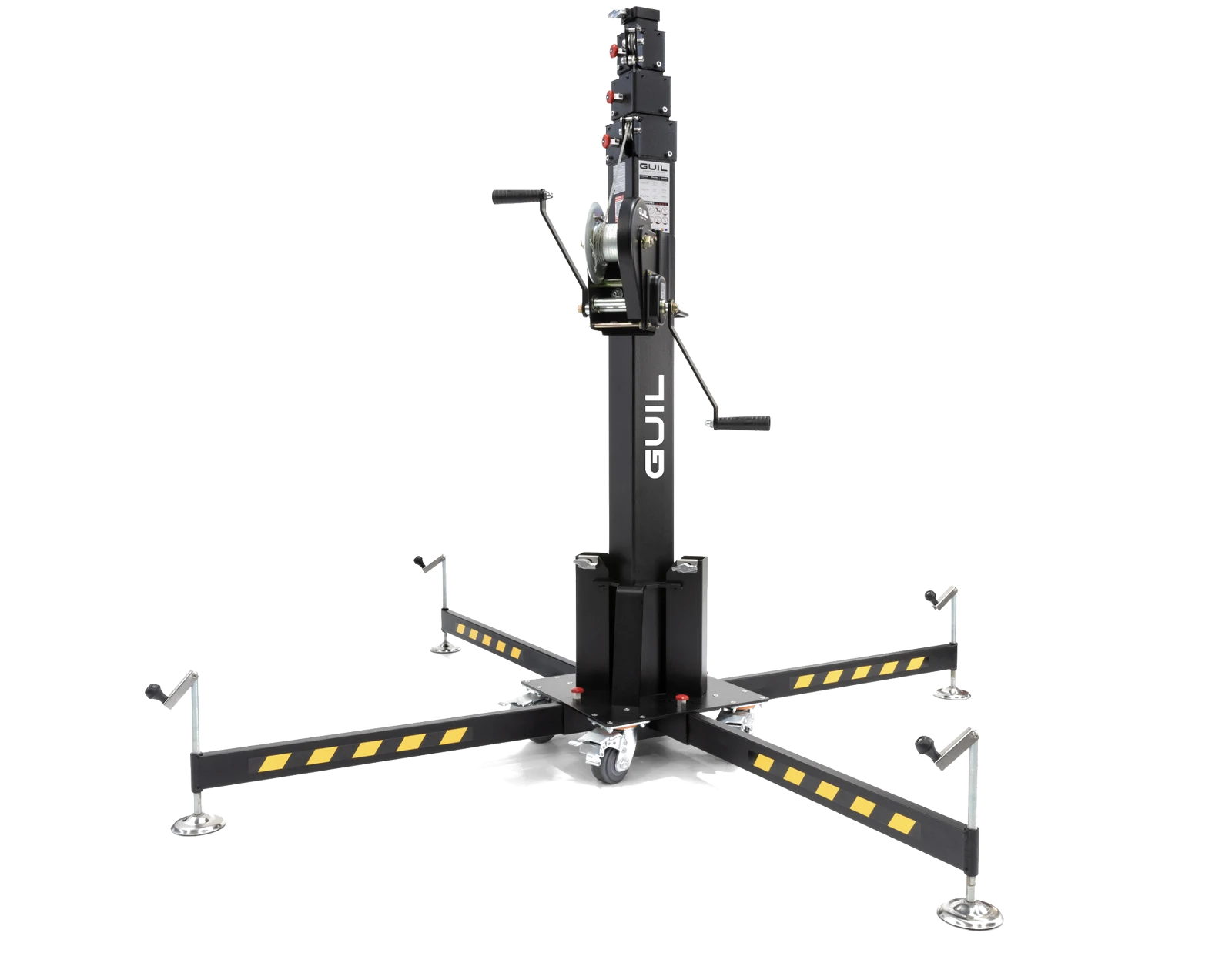
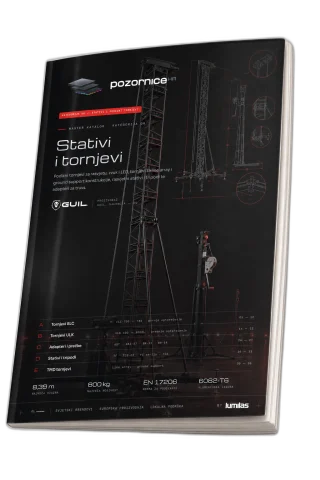
A closer lookStand or lifting tower?
Stands & towersConsider the load, reach and space needed for stable operation.
EssentialsWhat to check before lifting
Stands & towersLearn to identify the documents and components that need attention.
A closer lookChoose a barrier for its role
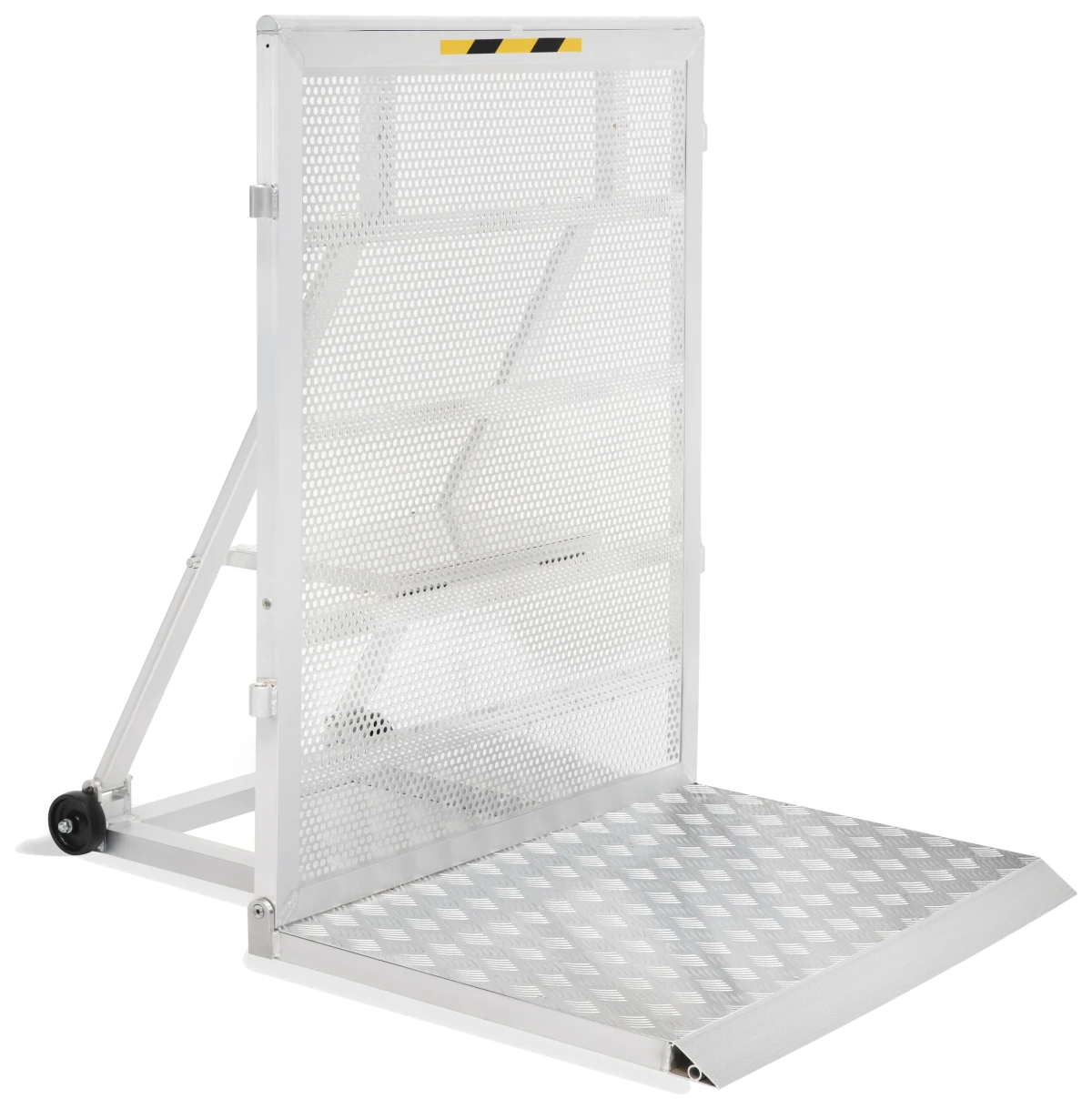
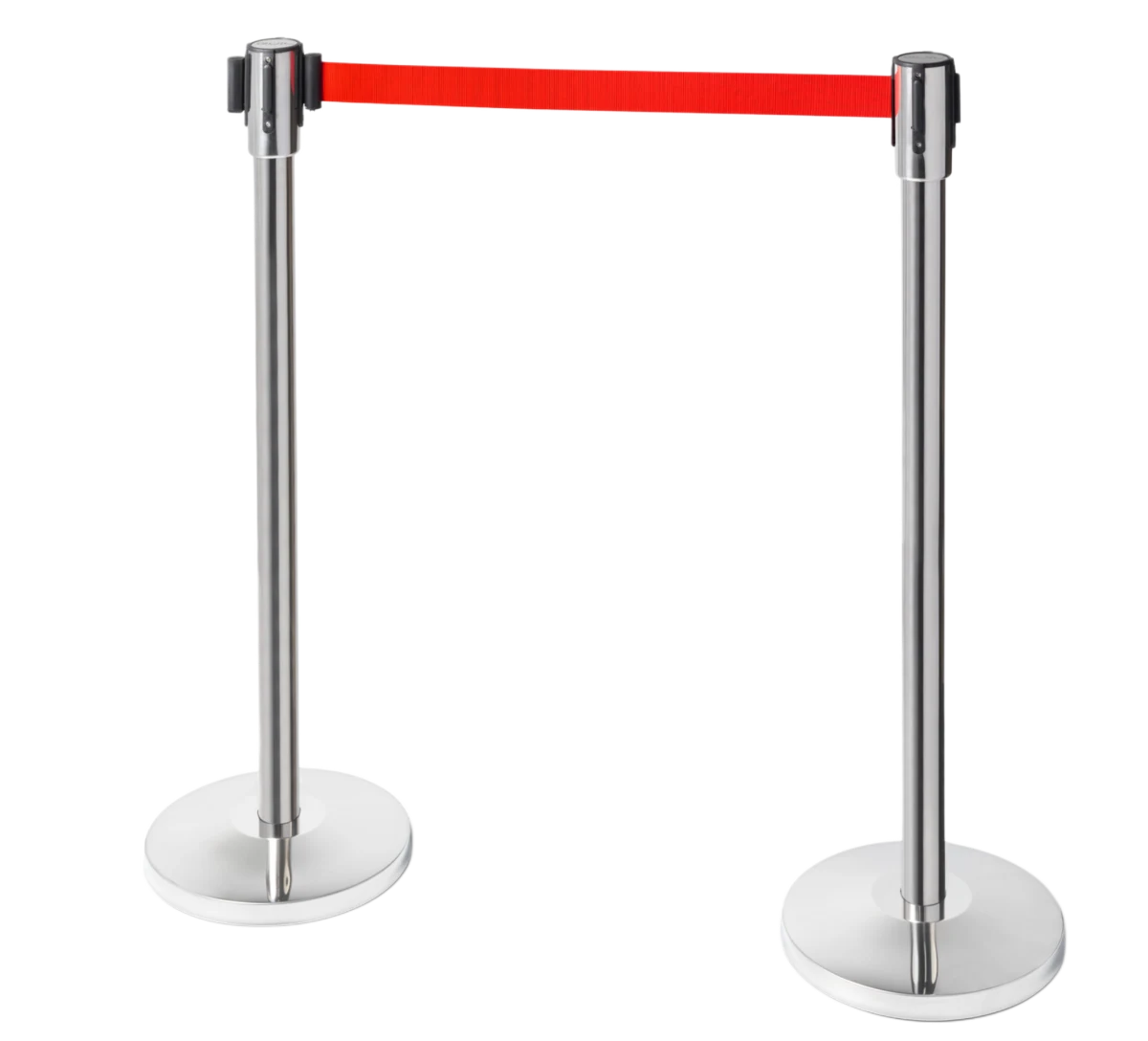
Barriers & crowdsQueue guidance and resisting crowd pressure are different tasks.
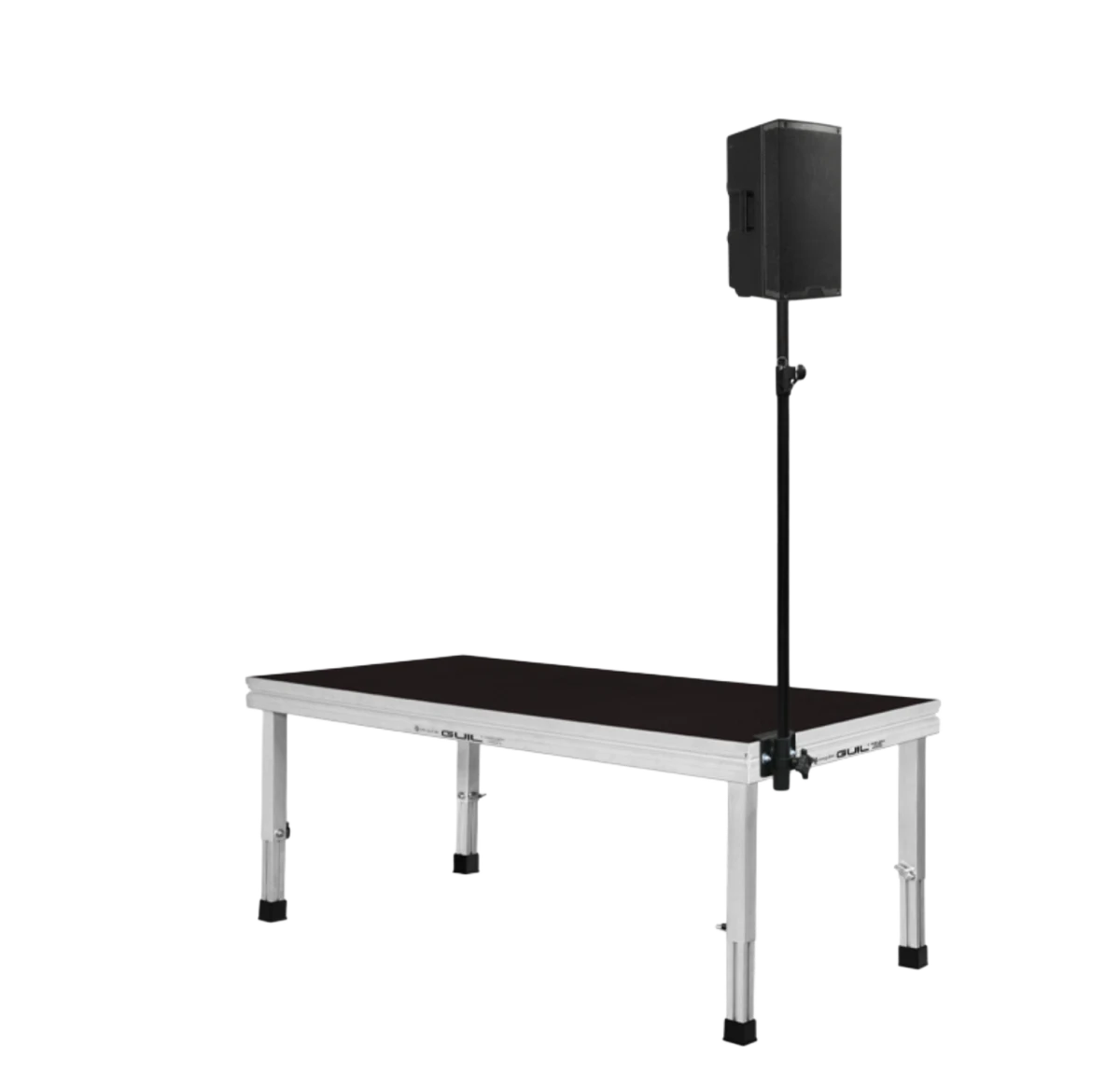
EssentialsScreens, lecterns and AV stands
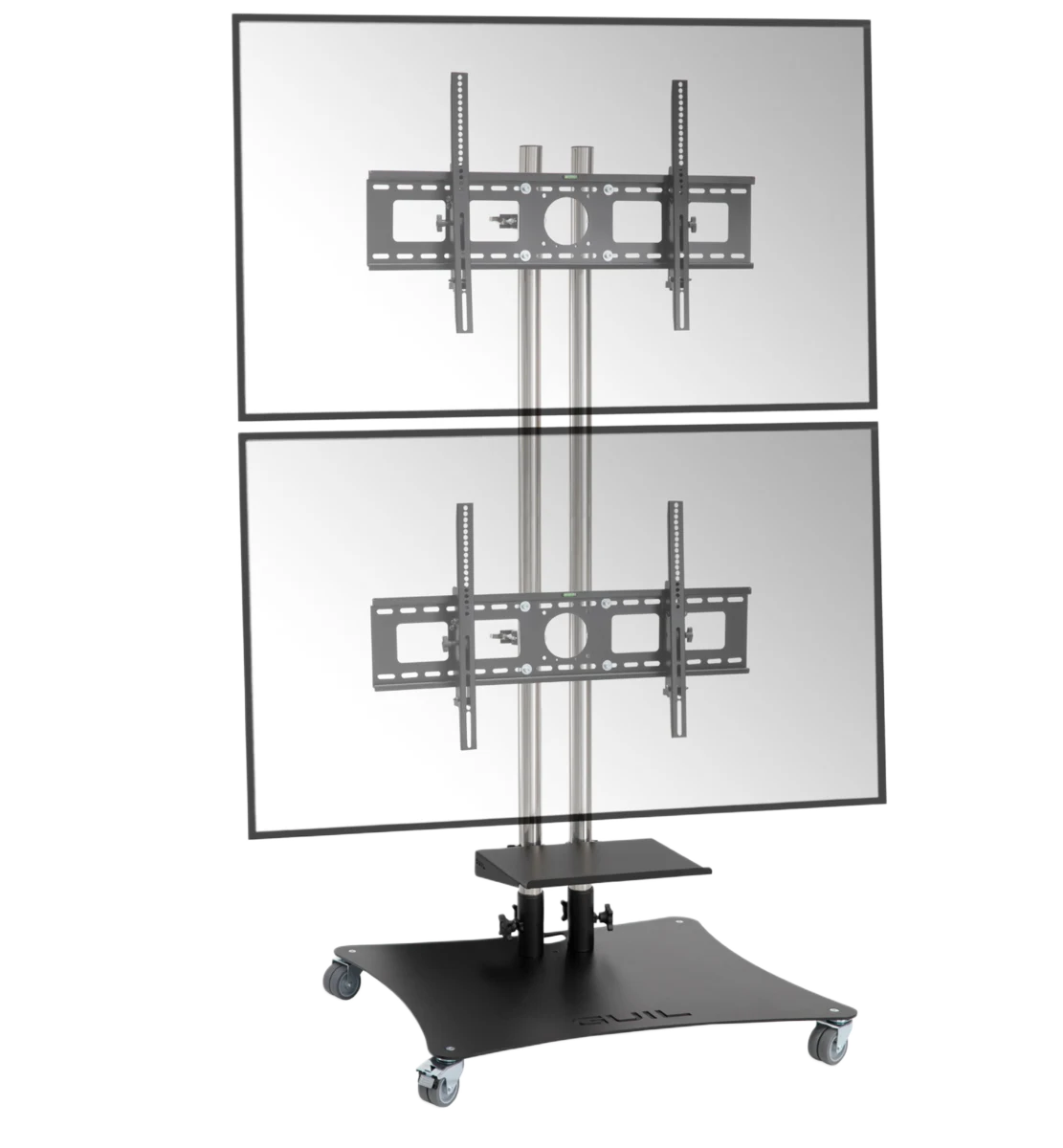
Event & AV equipmentThe practical measurements you need before selecting equipment.
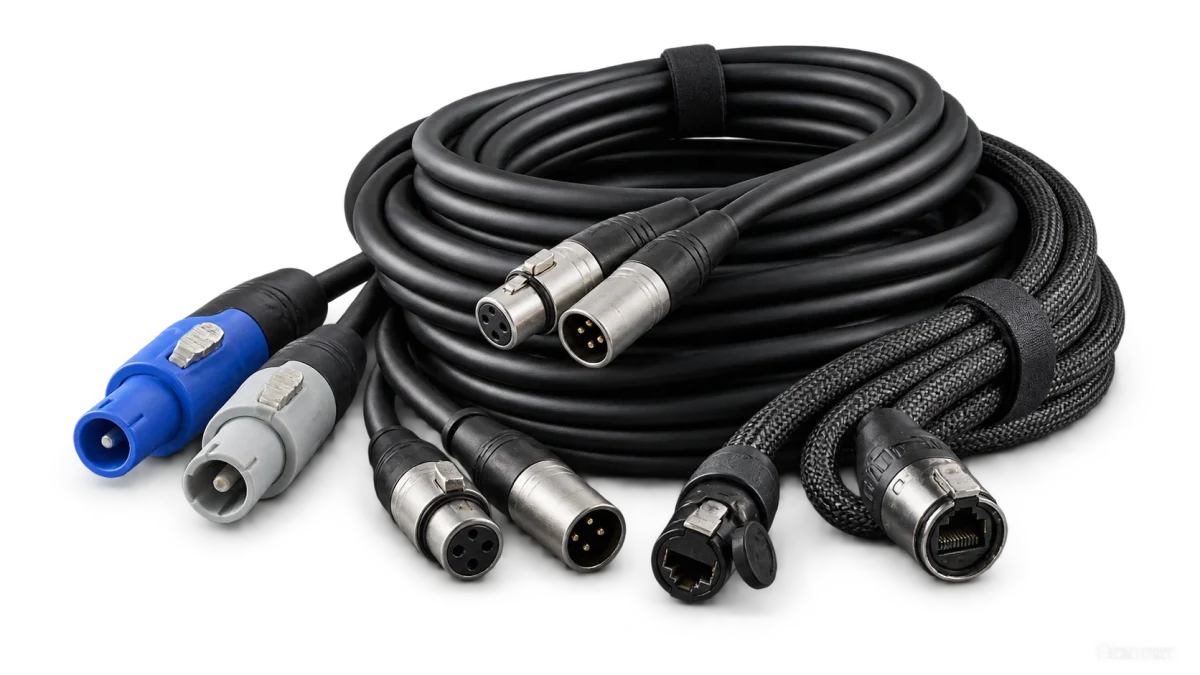
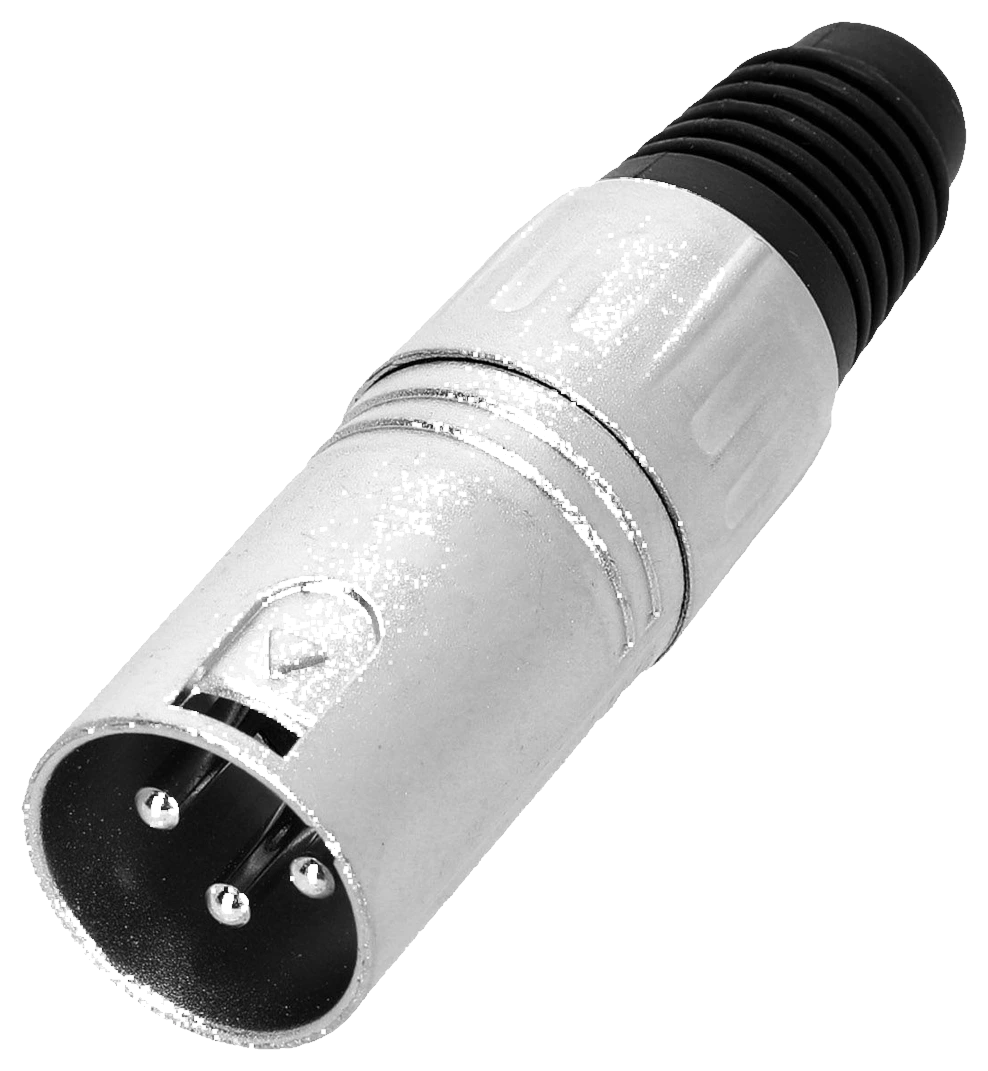
EssentialsAudio and DMX: similar plugs, different jobs
Cables & connectorsThe connector is only the beginning of a compatibility check.
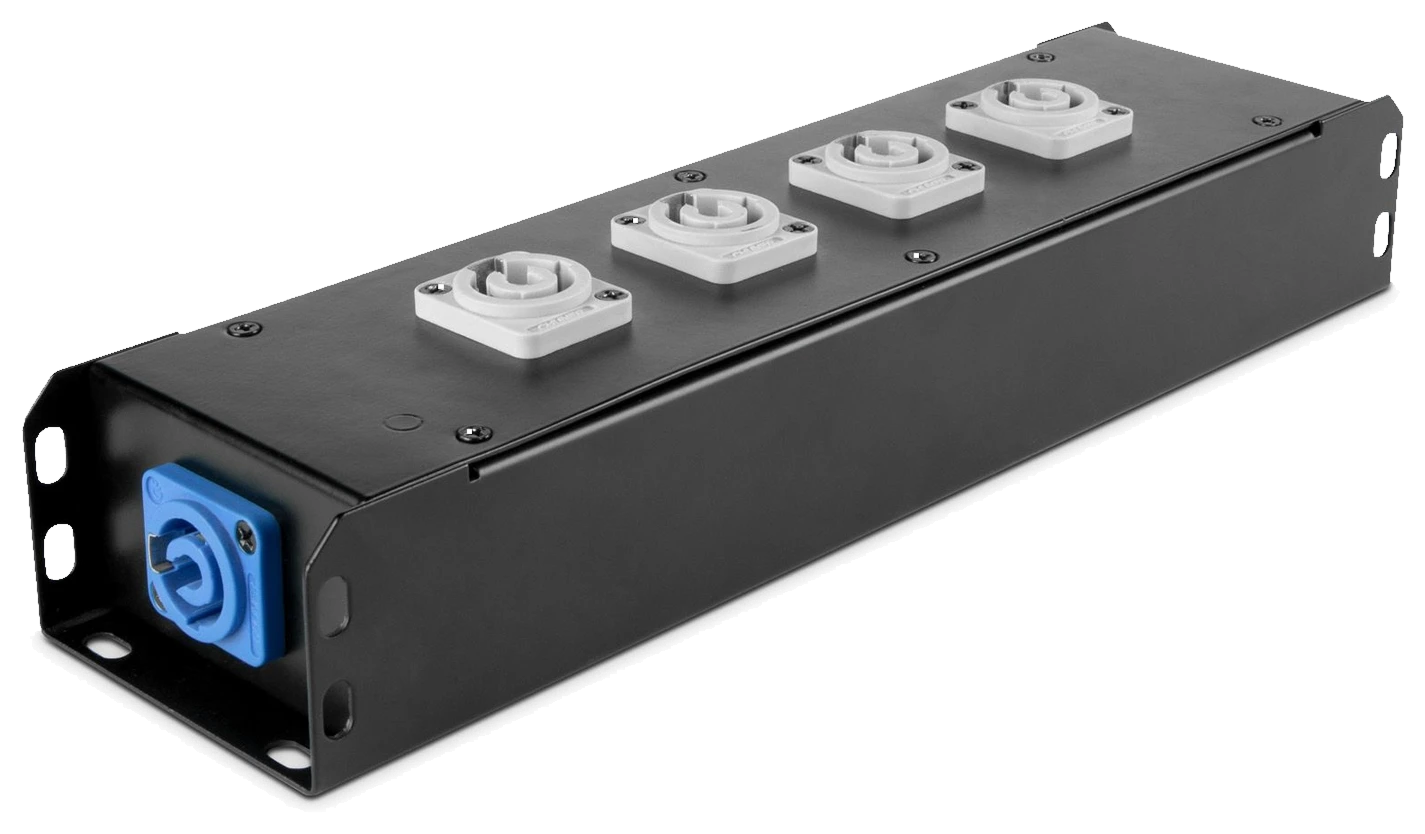
EssentialspowerCON and TRUE1: check the exact model
Cables & connectorsHousing colour is not enough to make a safe decision.
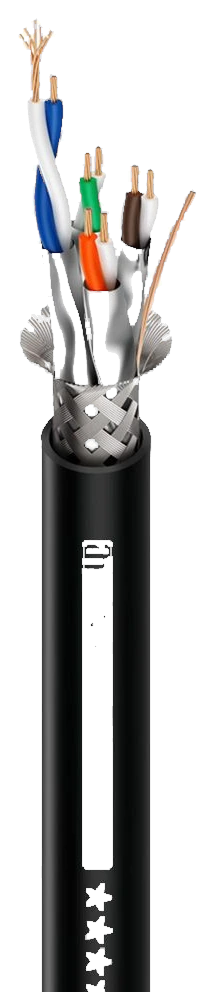
A closer looketherCON and network cables
Cables & connectorsA rugged housing protects the connection; the whole link determines network performance.
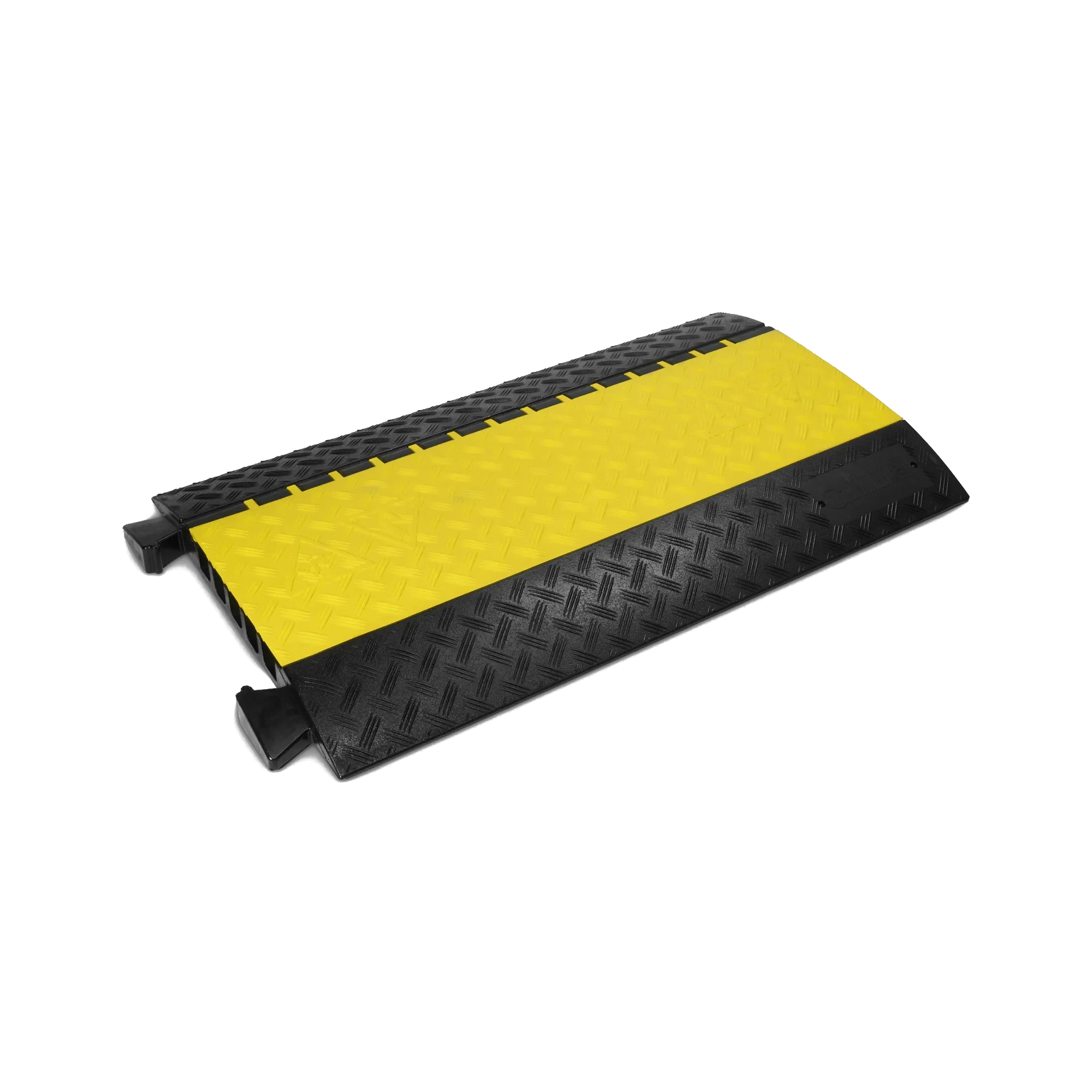
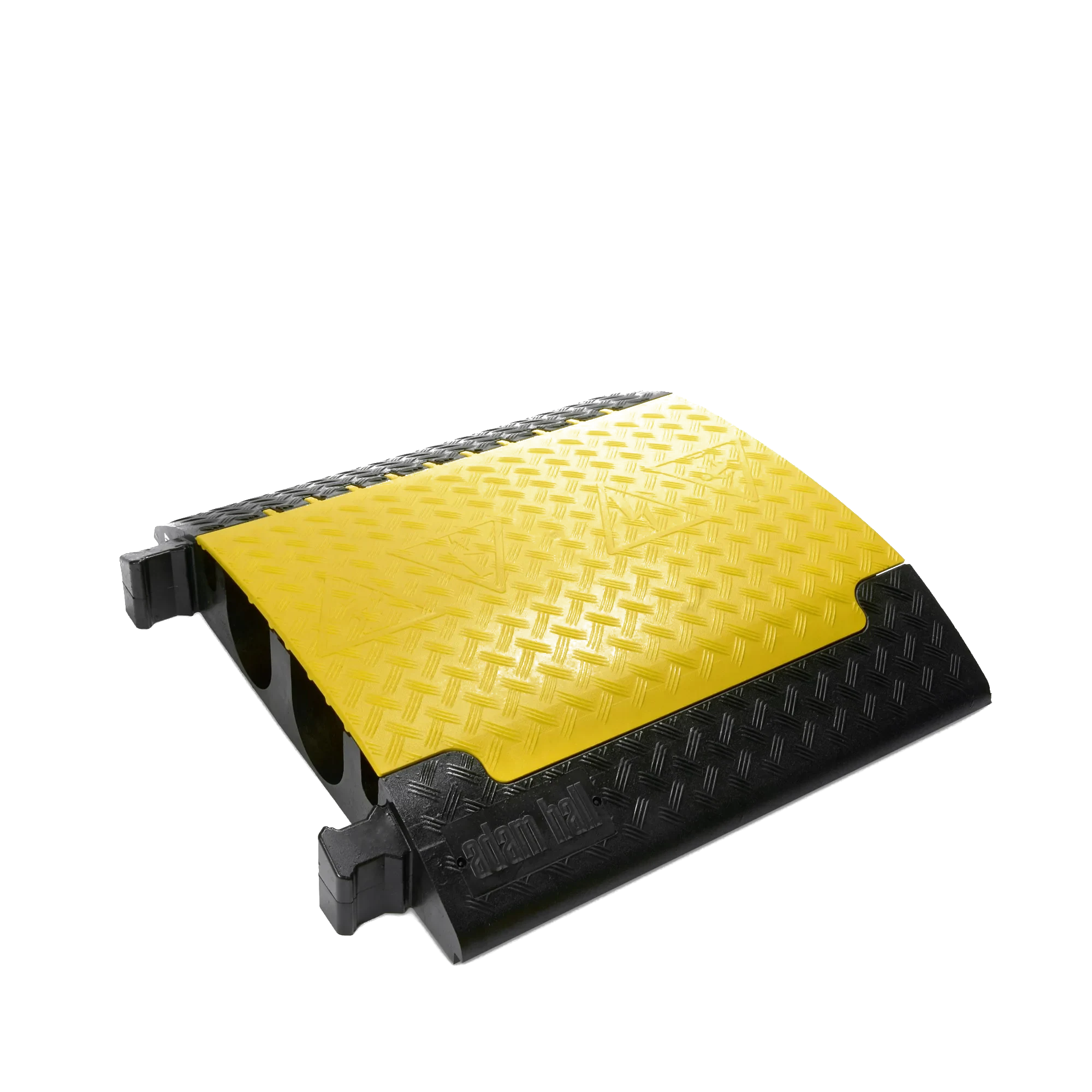
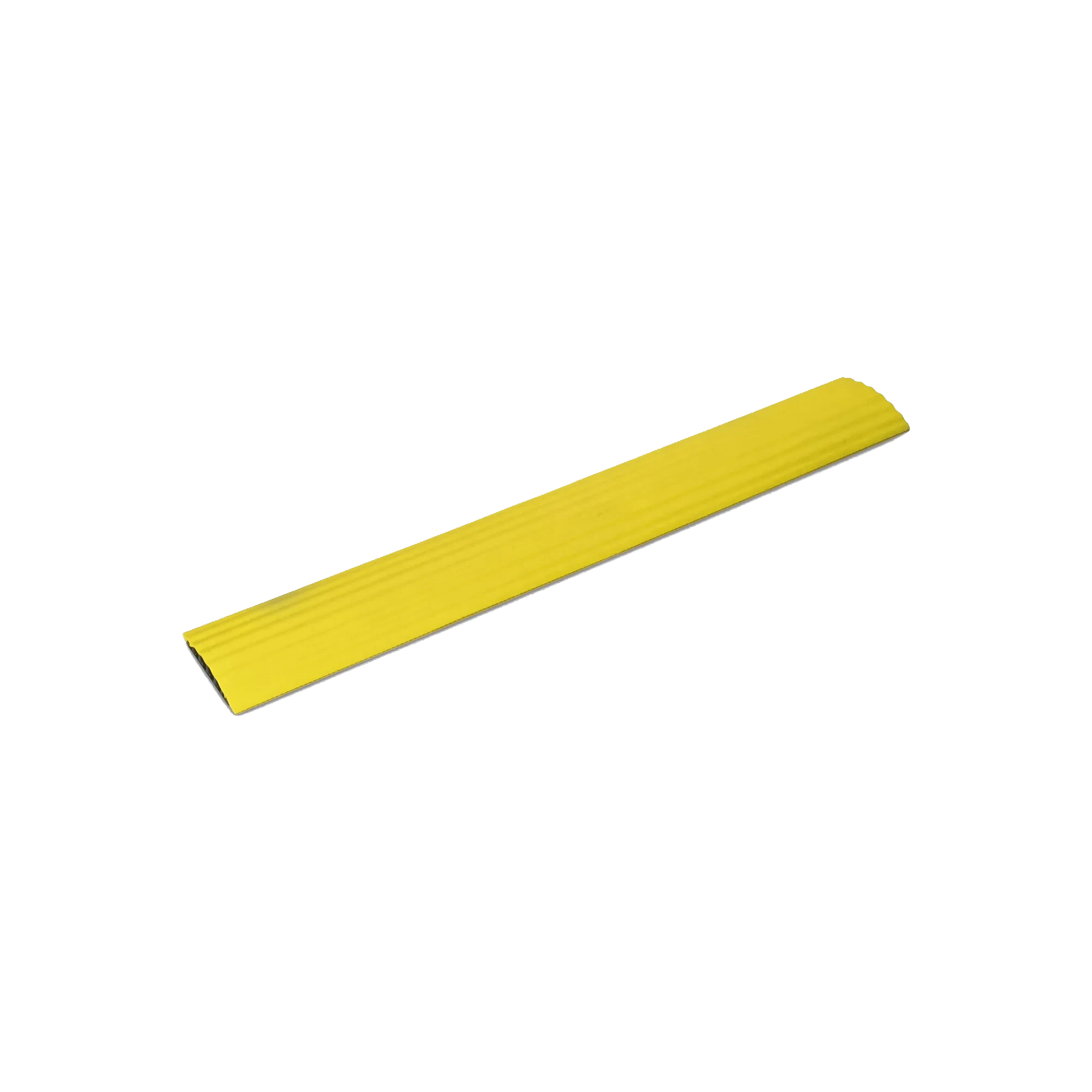
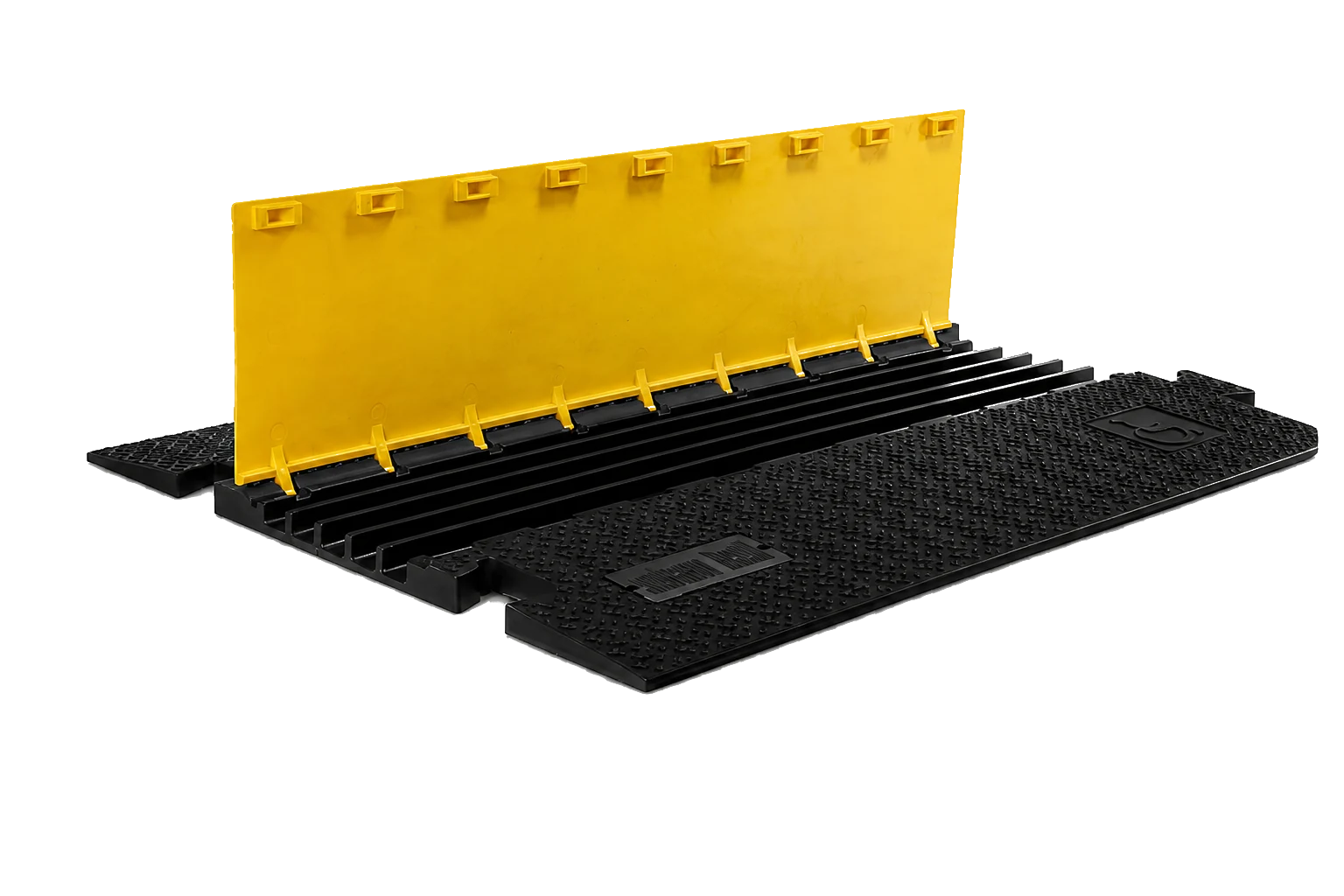
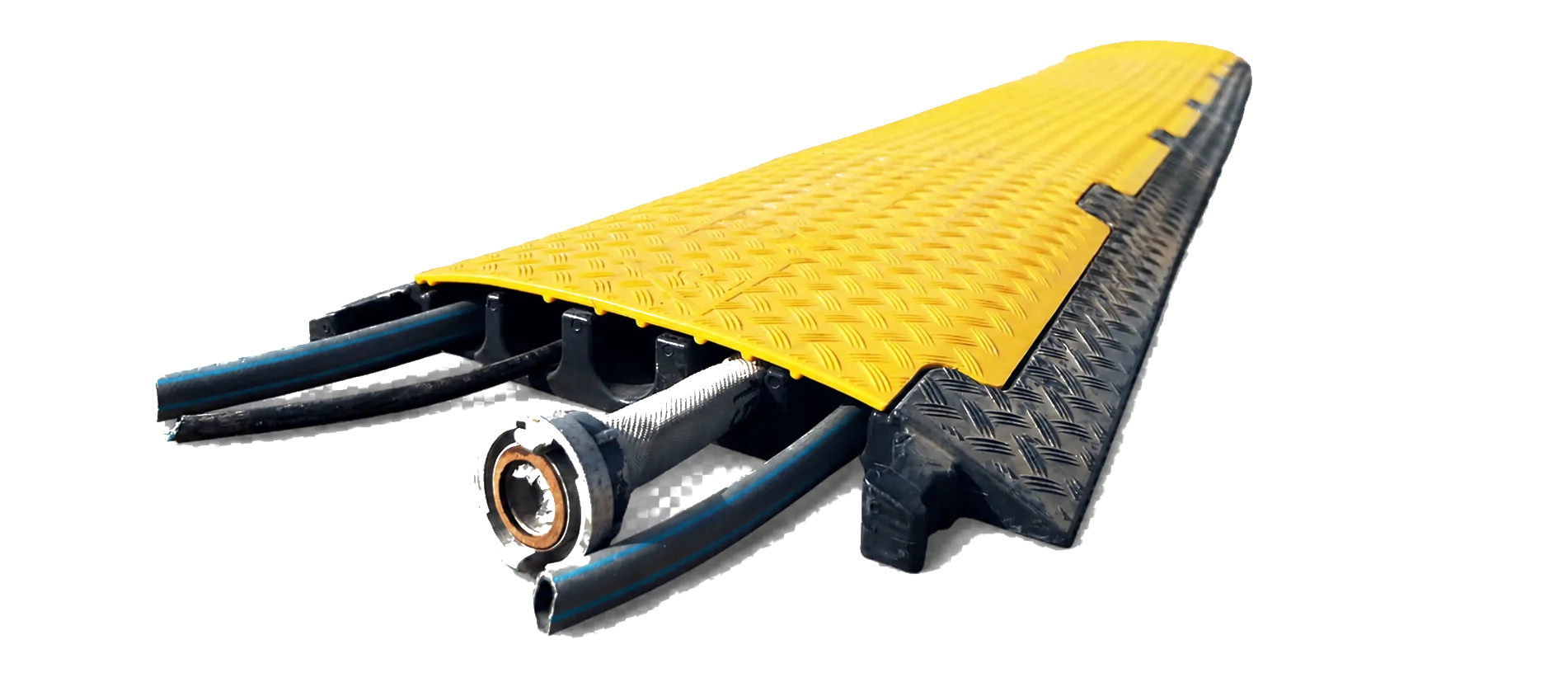
EssentialsCable protection for the actual traffic
Cable protectionChannel count, clearance and crossing conditions matter more than tonnage alone.
EssentialsPlan the crossing, not just cable protection
Cable protectionPedestrians, wheelchairs and service vehicles use a space differently.
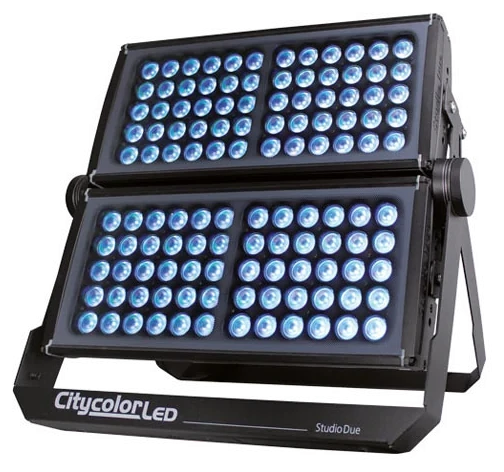
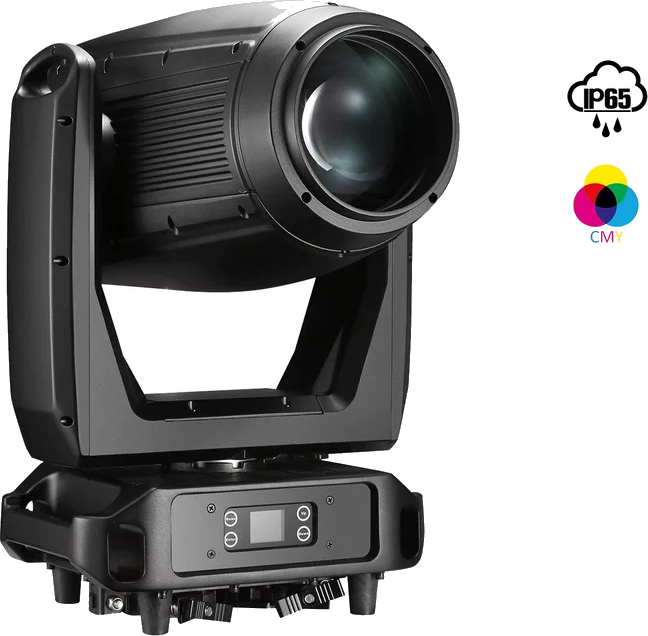
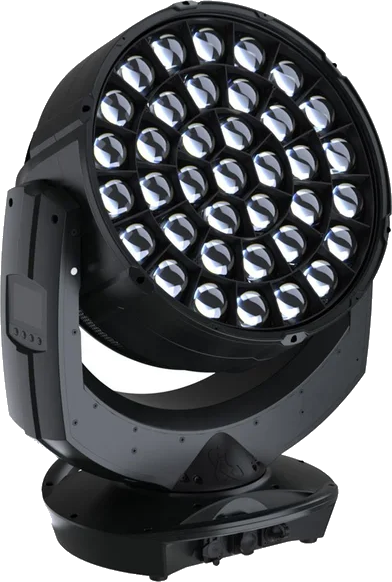
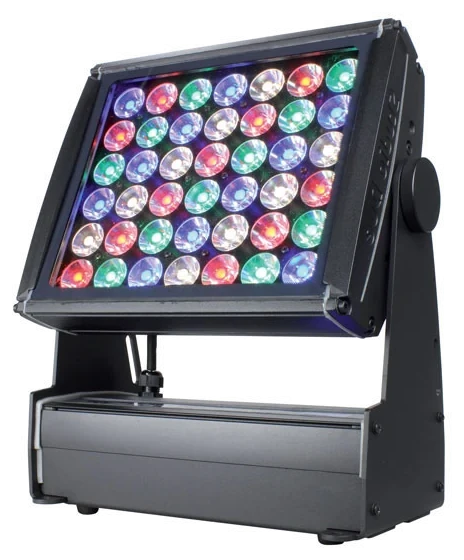
EssentialsWash, spot, profile and beam
Stage lightingStart with what the light needs to do.
EssentialsBeam angle, lumens and lux
Stage lightingChange distance and angle to see how coverage changes.
A closer lookDMX: an address is not a fixture number
Stage lightingLearn to assign addresses without overlap.
EssentialsFrom a DMX line to an Art-Net network
Stage lightingSeparate the signal, transport network and physical connector.
A closer lookKelvin is not colour quality
Architectural lightingDistinguish white-light tone, colour rendering and camera behaviour.
EssentialsDALI: lighting with scenes
Architectural lightingAddressing, groups and control in a permanent installation.
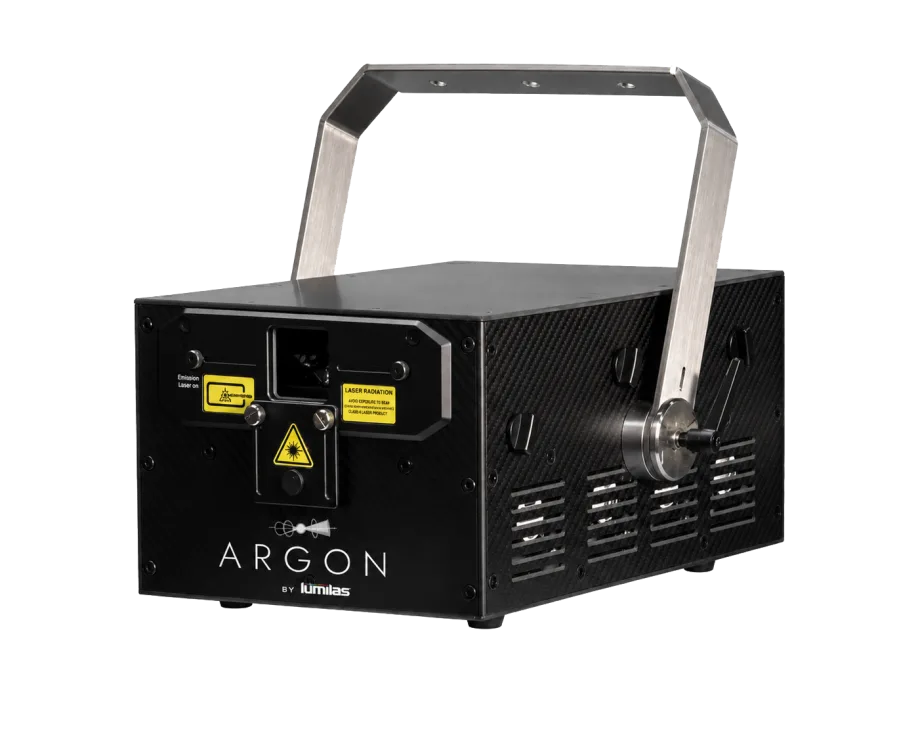
A closer lookA laser show starts with safety
Lasers & atmosphereWhat an organiser needs to understand before choosing effects.
EssentialsFB4, QuickShow and BEYOND
Lasers & atmosphereSeparate content creation from playback control.
A closer lookFog, haze and the right fluid
Lasers & atmosphereAtmosphere shapes how light is seen, but needs a venue plan.
EssentialsNo results for this selection
Try a shorter term or clear the filters. Save a guide using the button on its page.
From the basics to the whole picture
Three suggested paths. Start where it suits you.
My first stage
Space, decks and people.
Understand light
Optics, addresses and control.
Prepare a technical brief
Loads, cables and operating conditions.
Small tools. Clearer decisions
Change a value and immediately see what it means.
Change the angle. See the difference
A geometric model of a circular beam perpendicular to a flat surface.
Diameter = 2 × distance × tan(angle/2). Does not calculate lux, uniformity or laser safety.
Give each fixture its own space
A sequential patch of identical fixtures in one universe. Existing assignments are not included.
Check fixture mode and personality, plus physical-line limits. This tool does not add another universe.
Prepare a better project brief
Mark the information you have prepared. Download a list for your discussion with our team. Data stays in this browser.
Enquiry preparation, not technical approval.
Check your understanding
Technology, in plain language
Short explanations lead to the wider context.
kg/m²
Mass per area under declared loading conditions; not automatically a point-load rating.
Read in context →Good questions to start with
Is the test load the working capacity?
No. Use the declared working rating and manufacturer conditions.
Read the explanation and sources →Is the winch rating the tower capacity?
No. The complete tower’s declared capacity governs.
Read the explanation and sources →Can every powerCON be disconnected under load?
No. Check the exact model’s breaking capacity and operating instructions.
Read the explanation and sources →Can two fixtures share an address?
They can receive the same channels, but matching-mode fixtures then lack independent control.
Read the explanation and sources →Are all low-profile ramps accessible?
No. The complete geometry and crossing conditions need assessment.
Read the explanation and sources →Is cooler light always brighter?
No. CCT does not measure flux or illuminance.
Read the explanation and sources →Are DMX and DALI interchangeable?
No. Protocols and applications differ; integration requires a suitable system or gateway.
Read the explanation and sources →Does an E-stop make the whole show safe?
No. It is one measure in a complete safety system.
Read the explanation and sources →Knowledge with traceable sources
These guides are editorial summaries of manufacturer and specialist documentation. Each article includes sources and a check date. Examples explain principles; model-specific instructions and qualified assessment determine application.













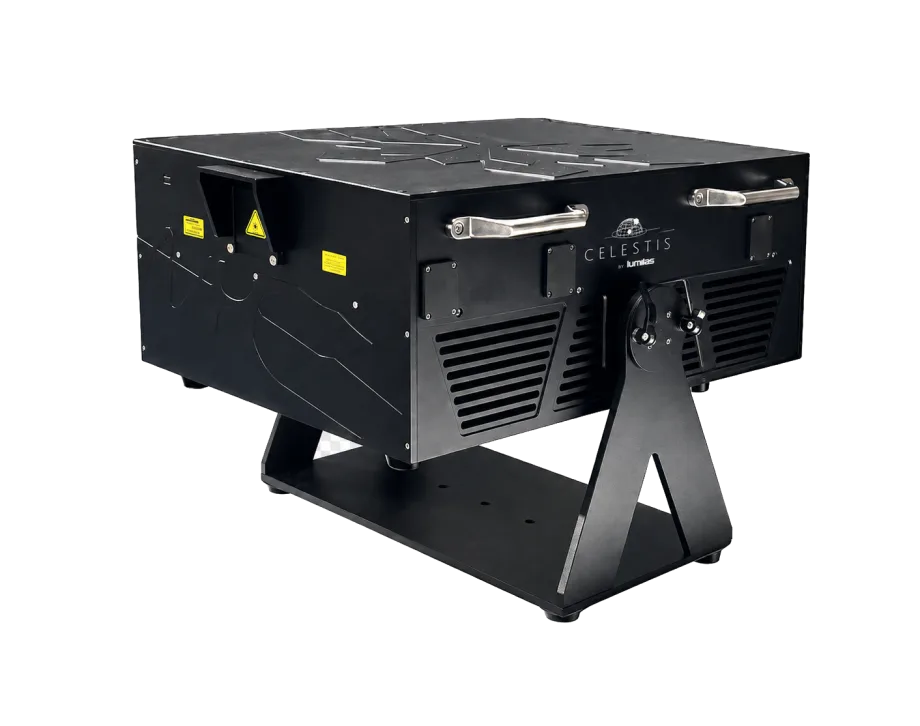
 PANGOLIN LASER SYSTEMS · LUMILASSoftware, control & safety

